Our Team
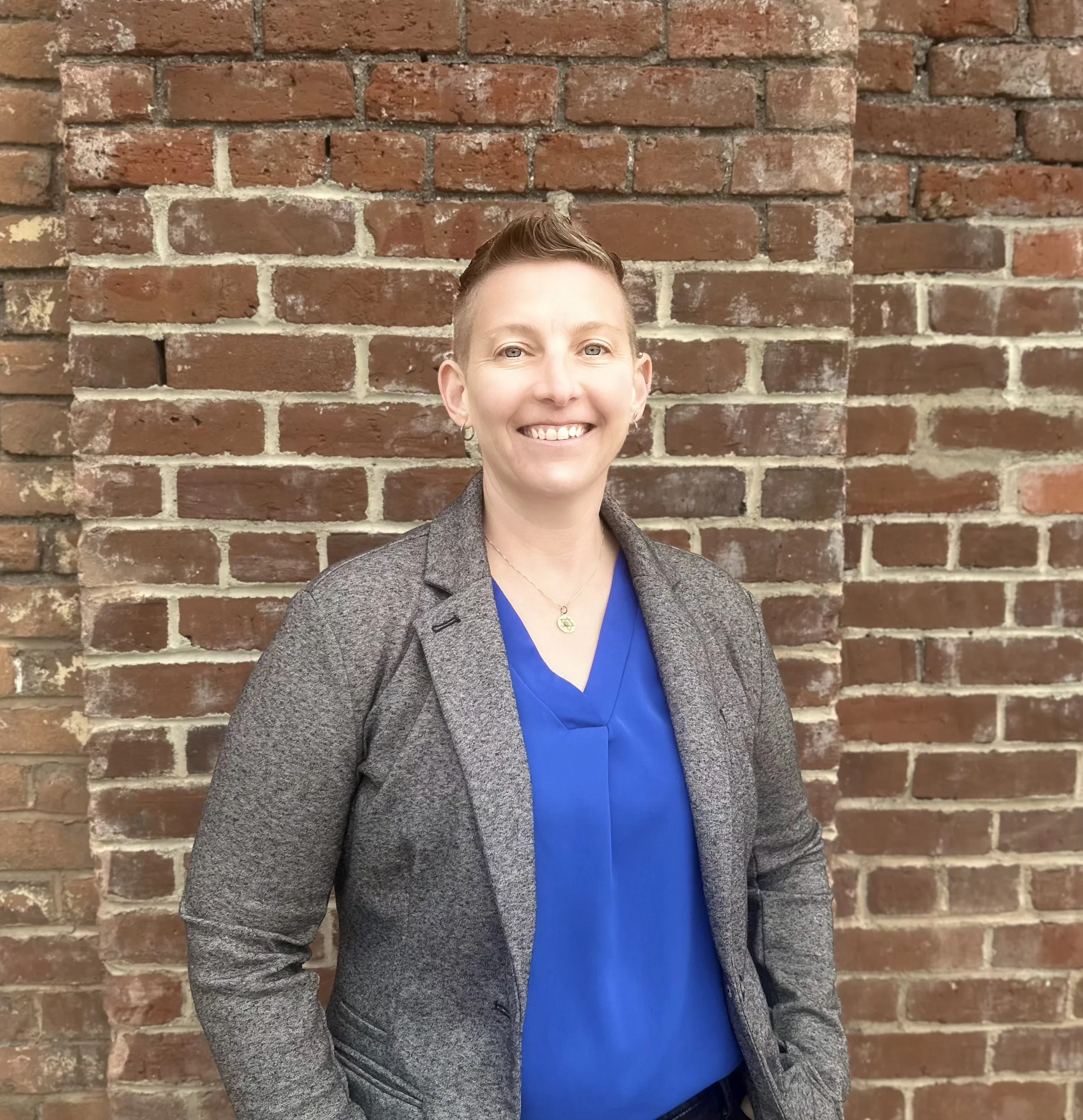
Aubree Lovelace, LMFT
With nearly 20 years of experience providing direct care and support to individuals experiencing chronic and acute mental illness, involvement in the justice system, and unsheltered homelessness, Aubree Lovelace is deeply committed to person-centered, field-based service delivery. Throughout her career, she has specialized in engaging individuals with complex needs through best-practice interventions that prioritize dignity, safety, and recovery.
Over the last decade, she has been instrumental in program development and design, as well as policy change and implementation, within the largest public mental health system in the country. Working across Los Angeles County, she has built extensive experience in coordinating and collaborating with homeless outreach systems, law enforcement, the carceral system, and behavioral health field and crisis teams. Her work has focused on bridging gaps between mental health services and the justice system through diversion efforts, crisis response, and support for individuals at risk of or undergoing involuntary hospitalization.
Grounded in evidence-based practices and guided by compassion, she continues to advocate for systemic collaboration and innovative approaches that reduce barriers to care for some of the county’s most vulnerable residents. The creation of Coordinated Care LA affords Aubree the opportunity to share the breadth of her experience to others hoping to be change makers.
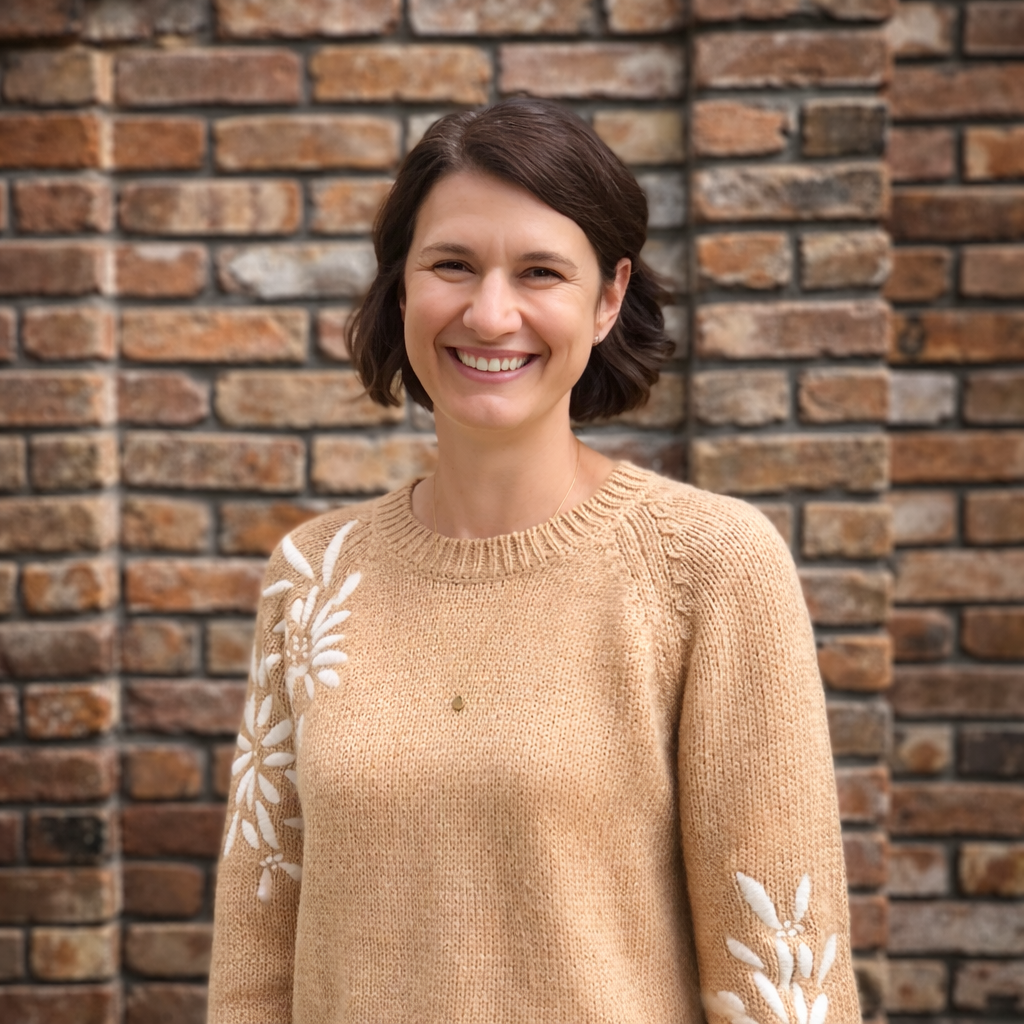
Staci Atkins, PsyD, LCSW
Dr. Staci Atkins is a licensed psychologist and clinical social worker with two decades of experience leading, developing, and improving mental health, crisis response, and reentry programs across Los Angeles County. She has built her career in high-acuity environments—ranging from community clinics and field-based teams to correctional health settings—where she has overseen multidisciplinary providers and implemented trauma-informed, field-based models of care. Dr. Atkins specializes in system coordination, community reintegration, forensic mental health, and field-based behavioral health services.
Through Coordinated Care LA, Dr. Atkins partners with agencies, counties, and community organizations to strengthen service delivery, enhance staff capacity, and build effective programs that serve individuals with serious mental illness, trauma histories, and housing instability. Her consultation focuses on improving system coordination, developing field-based and co-response models, and elevating workforce morale and retention through training, supervision, and strategic program design.
Dr. Atkins is recognized for her ability to bridge clinical expertise with operational strategy—helping organizations create sustainable, evidence-based, and compassionate systems of care for high-need communities.
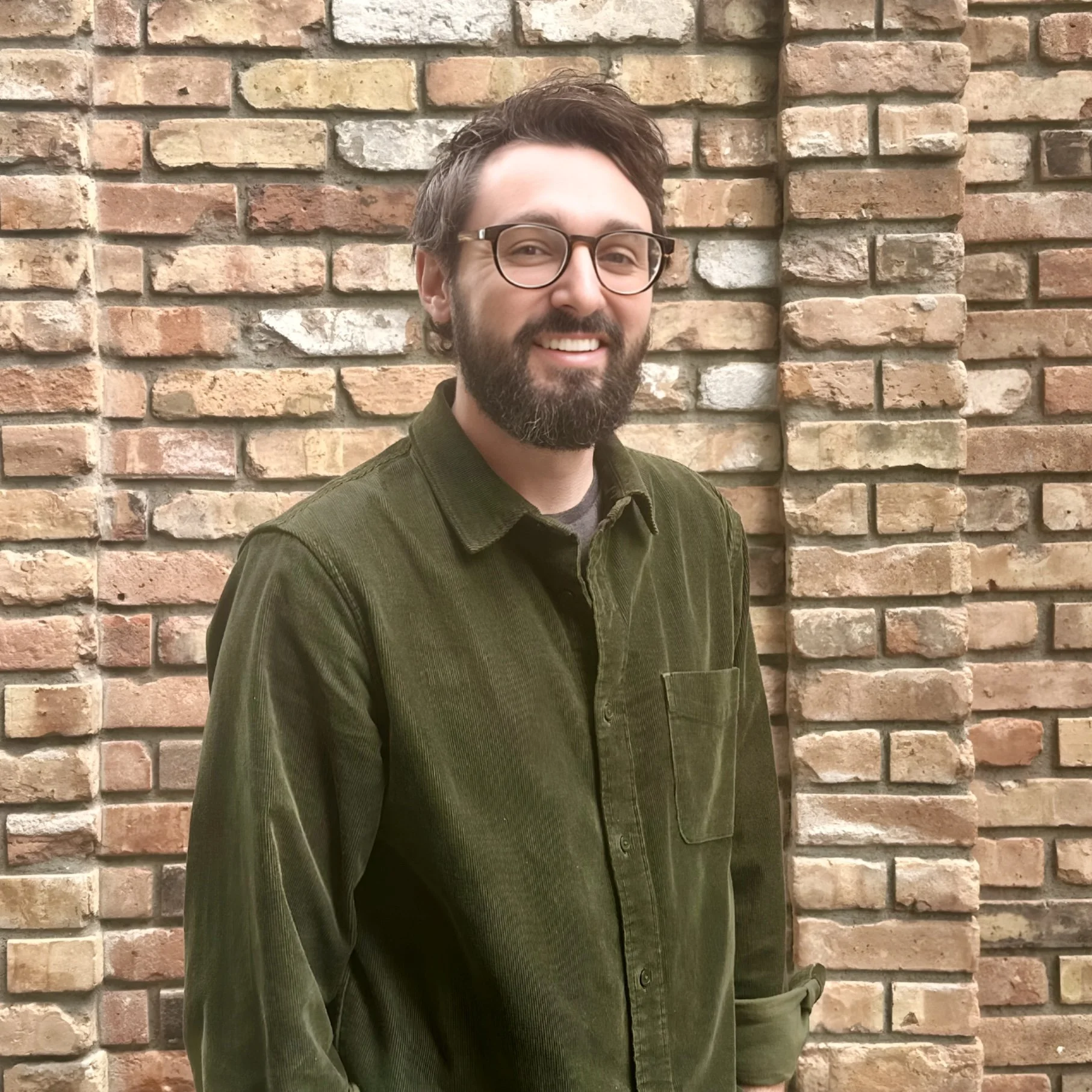
Daniel Mansfield, LCSW
Daniel Mansfield specializes in high-risk crisis intervention, innovative field-based mental health care, and the operational design of complex behavioral health programs. He developed a trauma-informed, clinically led model for crisis intervention and involuntary hospitalization that provides a safer and more effective alternative to traditional law-enforcement-driven approaches.
In his current role leading a street psychiatry program, Daniel oversees a broad multidisciplinary workforce and guides service delivery, program policy, and coordination between and within mental health and social service entities. He has worked in intensive community-based programs and in law-enforcement co-response, providing direct service in complex and high-risk cases and coordinating care across institutions that often operate in parallel rather than together. This experience reinforced the importance of presence, persistence, and responsibility when serving people most vulnerable to system failures and informed his approach to building structures that support consistent, accountable service delivery at scale.
Having worked in multiple states, Daniel has a perspective on how different mental health and crisis systems are arranged and where they face operational challenges. His consulting and training work helps agencies implement new strategies to improve mental health services and crisis response systems in ways that are safer, more responsible, and more effective.
Elizabeth Cope, LCSW
Elizabeth Cope, is a dedicated leader in community mental health with 19 years of experience serving Los Angeles County. Throughout her career, she has focused on supporting vulnerable populations, including older adults, individuals with severe mental illness, and people experiencing homelessness.
In her current and essential role as Program Manager for a street psychiatry program, Elizabeth leads the development and implementation of best clinical practices, training initiatives, staff retention strategies, and outcome measurement. She specializes in overseeing street-based psychiatric treatment teams that work with adults experiencing chronic unsheltered homelessness and severe mental illness across Los Angeles County.
Elizabeth remains deeply committed to reaching individuals on the fringes of society—those who are often forgotten or overlooked. Her passion, leadership, and unwavering dedication have made her a respected figure in her field. She continually strives to share her knowledge and skills to broaden her impact and improve the lives of those most in need.